

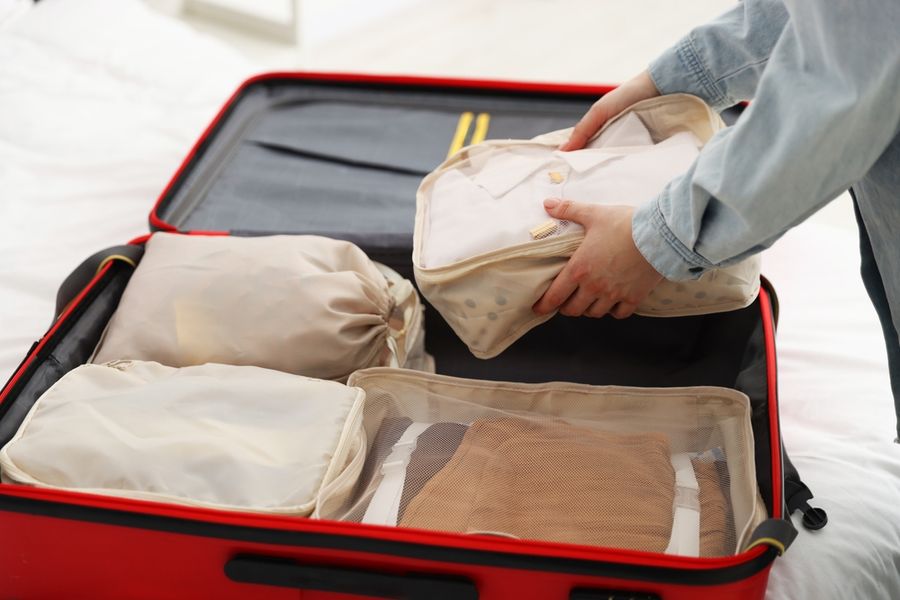
Packing cubes have become a popular travel tool for people who want to stay organized without carrying heavier bags. At first glance, they look simple—just zippered fabric boxes—but they can change how you pack and travel. When used well, packing cubes help you fit more into the same suitcase, find items faster, and keep clothes neat throughout a trip. Understand how packing cubes work, how to choose them, and how to use them effectively.
How Packing Cubes Actually Save Space
Packing cubes do not magically shrink your clothes, but they help you use space more efficiently. Loose clothing tends to shift and trap air inside a suitcase. Packing cubes compress items slightly and keep them in fixed shapes, which reduces wasted gaps between items.
By grouping similar items together, cubes also make it easier to stack clothing tightly. Shirts can sit flat in one cube, pants in another, and smaller items in a third. This layered structure helps you fill corners and edges of luggage that often go unused. The result is a more solid, evenly packed bag that holds more without expanding outward.
Organization that Stays Intact During Travel
One of the biggest benefits of packing cubes is organization. Without them, a suitcase can quickly turn into a pile of mixed clothing after just one airport inspection or hotel search. Packing cubes keep everything in place.
You can assign each cube a purpose. For example, one cube for tops, one for bottoms, one for sleepwear, and one for underwear and socks. When you arrive, you can place cubes directly into drawers instead of unpacking item by item. This saves time and keeps your room tidy.
Packing cubes also help with partial unpacking. If you only need gym clothes or pajamas, you can grab a single cube instead of digging through your entire suitcase.
Choosing the Right Size and Layout
Packing cubes come in many sizes, and choosing the right mix matters. Large cubes work well for bulkier clothing like sweaters or jeans. Medium cubes are good for shirts and lightweight pants. Small cubes are ideal for socks, underwear, or accessories.
A common mistake is using only large cubes. This can make packing feel rigid and limit flexibility. A mix of sizes lets you adapt to different trip lengths and clothing types.
Think about the shape of your luggage as well. Some suitcases are deeper, while others are wider. Flat, rectangular cubes often work best in carry-on bags, while deeper cubes can fit well in checked luggage.
Compression Cubes Vs. Standard Cubes
Compression packing cubes include an extra zipper that tightens the cube after packing. This pushes out excess air and makes the cube slimmer. These cubes can help save more space, especially for soft clothing like T-shirts and athletic wear.
However, compression cubes also make items more dense. This does not increase weight limits, but it can make a suitcase feel heavier to lift. For travelers who walk long distances with luggage, this is something to keep in mind.
Standard packing cubes are lighter and simpler. They focus more on organization than compression. For many trips, standard cubes provide enough structure and space savings without extra effort.
Fabric, Zippers, and Durability
Because packing cubes are meant to be lightweight, most are made from thin nylon or polyester fabric. Look for fabric that feels smooth but strong. Very thin mesh panels can tear over time, especially if the cube is packed tightly.
Zippers are just as important as fabric. A weak zipper can fail mid-trip and spill items into your bag. Smooth-gliding zippers with reinforced stitching tend to last longer and feel easier to use.
Some cubes include mesh panels that let you see contents and allow airflow. This can help reduce odors on longer trips. Solid fabric cubes offer more privacy and slightly better compression. The right choice depends on how you travel and what you pack.
Using Packing Cubes For Different Travel Styles
Packing cubes work well for many types of travel, but how you use them can change based on your trip.
For short trips or business travel, cubes help keep outfits organized by day. You can pack one cube per day or per outfit, making mornings faster. For longer trips, cubes make it easier to separate clean clothes from worn items.
Families often use packing cubes to separate each person’s clothing within a shared suitcase. This avoids confusion and makes unpacking simpler. Packing cubes are also useful for adventure travel, where quick access to specific gear matters.
Even minimalist travelers benefit from cubes. When space is limited, having everything tightly grouped helps avoid overpacking and keeps your bag balanced.
Packing Cubes and Carry-On Travel
Carry-on travelers often face strict size limits. Packing cubes can help maximize every inch without making the bag harder to close. By creating uniform blocks of clothing, cubes reduce the risk of bulges that prevent zippers from closing.
They also help with airport security. If your bag is inspected, cubes keep clothing from spilling everywhere. You can remove a cube quickly and repack just as fast.
For travelers who move often between locations, packing cubes reduce the need to fully unpack and repack each time. This saves energy and keeps travel stress lower.
Small Tools That Make Travel Easier
Packing cubes do not add weight, but they add structure, order, and efficiency to your luggage. By reducing wasted space and keeping items organized, they help you pack smarter and travel with less frustration.
Whether you use standard cubes or compression styles, the key is choosing the right sizes and using them consistently. With a simple system in place, packing cubes can make your luggage feel larger, lighter, and easier to manage on every trip.