

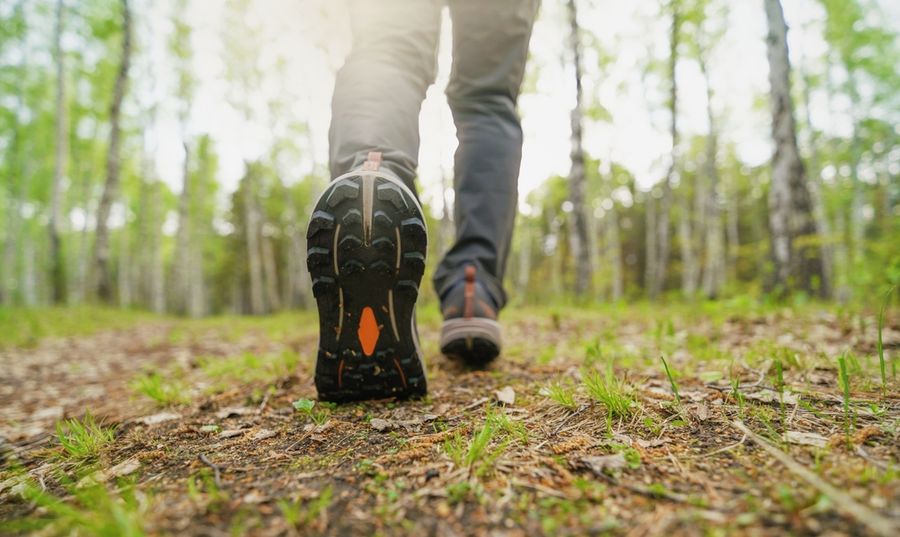
Urban travel often means long days on your feet. You may walk through airports, explore neighborhoods, stand on public transit, and cover miles without noticing until your feet start to hurt. Comfortable walking shoes are one of the most important travel choices you can make. The right pair supports your feet, reduces fatigue, and helps you enjoy the city instead of counting steps back to the hotel. Understand how to choose walking shoes that work for full urban travel days.
Start With Fit and Foot Shape, Not Just Shoe Size
Comfort starts with fit, and fit is more than just picking your usual size. Feet swell during long days of walking, especially when traveling. Shoes that feel fine in the morning can feel tight by afternoon.
Look for shoes with enough room in the toe box so your toes can spread naturally. Your toes should not touch the front of the shoe when you stand or walk downhill. Width also matters. Many popular walking shoe brands offer regular and wide options, which can make a big difference over a full day.
If possible, try shoes on later in the day when your feet are slightly swollen. Walk around for several minutes and pay attention to pressure points, rubbing, or heel slip. A shoe that feels comfortable right away is more likely to stay comfortable after hours of walking.
Cushioning and Support For Hard City Surfaces
Urban environments are tough on feet because most walking happens on hard surfaces like concrete, tile, and pavement. Shoes with good cushioning help absorb impact and reduce stress on your heels, knees, and lower back.
Look for midsoles made from foam that feels supportive but not stiff. Too-soft cushioning can feel unstable, while overly firm shoes can cause soreness. Many walking and running-inspired shoes balance cushioning with responsiveness, which helps during long days.
Support also matters. A stable heel counter helps keep your foot aligned, while gentle arch support can reduce fatigue. If you already use orthotics, check whether the shoe has a removable insole so you can swap it out.
Breathability and Materials That Handle Long Wear
Urban travel means your shoes may be on your feet all day. Breathable materials help keep feet cooler and reduce moisture buildup, which can lead to blisters or discomfort.
Mesh uppers are common in walking shoes because they allow airflow and flex with your foot. Knit uppers can also work well, as long as they offer enough structure. Leather shoes can be comfortable too, but they should be soft and broken in before travel.
Pay attention to interior seams and lining. Smooth interiors reduce friction, which is important when walking long distances. Socks matter too. Pair good shoes with moisture-wicking socks to improve overall comfort.
Outsoles and Traction For City Terrain
City walking includes sidewalks, crosswalks, subway stairs, cobblestones, and sometimes wet pavement. Shoes need outsoles that grip without feeling heavy.
Rubber outsoles usually provide good traction and durability. Look for patterns that offer grip in multiple directions, which helps on stairs and uneven ground. Very smooth soles may look sleek, but they can slip on wet surfaces.
Flexibility is also important. A shoe should bend at the ball of your foot, not in the middle. This natural movement helps reduce fatigue and makes walking feel easier over long distances.
Style That Works With Travel Clothing
Comfort does not mean you have to wear athletic-looking shoes everywhere. Many modern walking shoes blend comfort with clean, simple design that works with travel outfits.
Neutral colors like black, gray, or navy tend to pair well with jeans, casual pants, and travel-friendly dresses. Low-profile designs look less bulky and are easier to pack if you bring a second pair.
If you want examples of travel-friendly walking shoes, many travelers choose models like the New Balance Fresh Foam walking shoes for cushioning, the HOKA Clifton line for lightweight support, or the Ecco Soft series for a more casual, leather-based option. These types of shoes are often designed to handle long wear without drawing attention.
Weight and Packability Matter More Than You Think
Heavy shoes can add to leg fatigue, especially when walking all day. Lightweight shoes reduce effort with each step and often feel easier to wear during long travel days.
If you plan to pack a second pair, consider how bulky the shoes are. A flexible shoe that compresses slightly can save space in your luggage. Some travelers wear their heavier shoes on transit days and pack lighter ones for city exploring.
Also think about how easy the shoes are to put on and take off. Slip-on designs or shoes with simple lacing systems can be helpful during airport security checks or quick hotel exits.
Break-In Time and Testing Before the Trip
Even the best walking shoes should be tested before a trip. Wear them on several walks at home to make sure they work for your feet. This helps identify pressure points early and allows the materials to soften slightly.
Avoid bringing brand-new shoes on a long urban trip without testing them first. Blisters and sore spots can quickly ruin travel plans. A few short walks before departure can make a big difference in comfort.
If you feel discomfort during break-in walks, do not assume it will go away. Small issues often get worse with more miles, not better.
Choose Shoes That Support How You Actually Travel
Choosing comfortable walking shoes for urban travel days means thinking about fit, support, materials, and how you move through a city. Focus on proper sizing, cushioning for hard surfaces, breathable materials, and reliable traction.
Look for a style that works with your clothing and feels good after hours of walking. When your shoes support your feet instead of fighting them, long urban days feel lighter, more enjoyable, and far less tiring.