

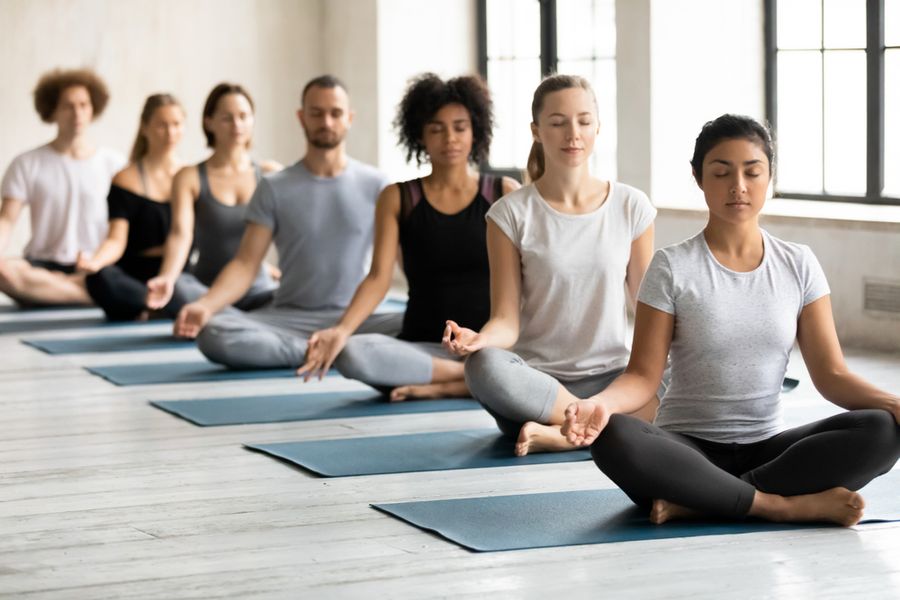
Silent retreats have grown in popularity as a way to step away from daily noise, stress, and constant digital connection. In a silent retreat, participants refrain from speaking for much or all of the retreat period, which can range from a weekend to a week or more. Are you looking to find clarity, reduce stress, and connect more deeply? Knowing what to expect from different silent retreat packages helps you choose one that aligns with your goals and comfort level.
What “Silent Retreat” Really Means
A silent retreat does not just mean staying quiet. Most retreats use silence as a tool to support reflection, meditation, or other contemplative practices. Silence often begins at a set time each day and continues until the retreat ends, though some retreats allow limited periods of silence interspersed with guided discussion.
In most packages, silence applies not just to talking but also to eye contact, gestures, and electronic communication. Phones, tablets, and laptops are usually set aside to minimize distraction. Participants are asked to focus inward, use mindfulness practices, and engage fully with the retreat’s structure.
Different retreats have different rules around silence. In some cases, light social interaction may be allowed outside scheduled meditation times, while others maintain strict silence until the final closing session. Understanding these expectations before you go helps ensure you feel comfortable with the retreat’s framework.
Mindfulness-Based Silent Retreats
Mindfulness-based silent retreats focus on meditation and awareness practice. These programs often include multiple guided meditation sessions each day, mindful movement like yoga or walking meditation, and periods of individual silent reflection. Many of these retreats are offered at established meditation centers across the United States.
One well-known option is the Insight Meditation Society (IMS) in Barre, Massachusetts. IMS offers multi-day silent retreats that focus on insight meditation, also known as Vipassana. These retreats have a structured schedule with long periods of meditation and formal walking meditation practice. Participants follow noble silence, which includes refraining from speech, eye contact, and gestures during most of the retreat period.
Mindfulness-based packages are a strong fit if your goal is to develop or deepen a meditation practice. They often include periods of sitting and walking meditation, Dharma talks, and optional interviews with teachers.
Silent Yoga Retreats
Some silent retreats pair silence with gentle yoga practices, breathwork, and mindful movement. These retreats allow the body to unwind as the mind settles. They often take place in scenic locations or in retreat centers near national parks.
Satya Retreats, for example, may mix silent periods with guided yoga sessions, mindful nature walks, and optional workshops on stress reduction or mindful living. The schedule usually balances silent reflection with quieter physical activity, which helps many people feel grounded throughout the day.
Silent yoga retreats can be especially suitable if you find sitting meditation challenging for long periods. The combination of movement, breathwork, and silence supports both physical ease and mental calm.
Cost and What’s Included
Silent retreat packages vary in what they include, and the details matter when you decide where to go. Most retreat centers provide accommodation, meals, and instruction as part of the package. Meals at retreats are often vegetarian or plant-based to support calm digestion and steady energy, though some retreats allow flexible meal choices.
Some retreats are offered on a donation basis with suggested prices, especially in insight meditation traditions. Others have set package rates that include lodging, meals, and instruction. Before booking, review what the fee covers: lodging type (shared room, private room), meals, meditation instruction, and any additional workshops or services.
Another important detail is how long meals and rest breaks last. In some retreats, silence begins before or after meals; in others, even meals are eaten in silence. Quiet meals help the reflective atmosphere for many practitioners.
Daily Schedule and Physical Expectations
The daily schedule of a silent retreat tends to be structured, but the rhythm depends on the type of retreat. Mindfulness-focused retreats often start before sunrise with morning meditation, followed by multiple sessions throughout the day. In contrast, yoga and movement retreats may spread activities more evenly across the day with longer breaks for personal rest.
Common elements of a silent retreat schedule include:
- Morning meditation sessions
- Walking meditation breaks
- Mindful meals
- Optional teachings or interviews with instructors
- Evening reflection or silent group sitting
Physical expectations depend on the retreat style. Sitting meditation for long periods can be physically demanding, especially for people new to meditation. Yoga-based retreats may be easier on the body but still require consistent participation in gentle classes or mindful walks.
Preparation Tips Before You Go
A few simple preparations can help you make the most of a silent retreat. If the retreat involves long meditation sessions, practice sitting quietly for short periods at home in the weeks before your trip. Reduce caffeine if you find it makes your mind too busy or your body restless.
Pack comfortable clothing that allows ease of movement and layers for changing temperatures. Bring personal items that make you comfortable in silence—such as a journal to reflect privately (used only during designated non-silent periods if allowed), a favorite travel blanket, or supportive meditation cushions if compatible with the retreat’s guidance.
Ask about retreat rules in advance so you know how silence is practiced and what items are allowed. Retreat centers often provide a schedule, packing list, and code of conduct before arrival.
Choose a Retreat That Matches Your Intentions
Silent retreat packages can be powerful tools for rest, reflection, and inner focus—but each one differs in structure, activity level, and expectations. Mindfulness retreats tend to center on meditation with strict silence throughout most of the schedule. Yoga-based retreats blend silence with gentle movement and may feel more balanced for bodies unused to long sitting.
Understanding the daily rhythm, what’s included, and how silence is practiced helps you choose a retreat that aligns with your comfort, goals, and travel style. With the right information, you can enter silence with confidence and return from your retreat feeling renewed.