

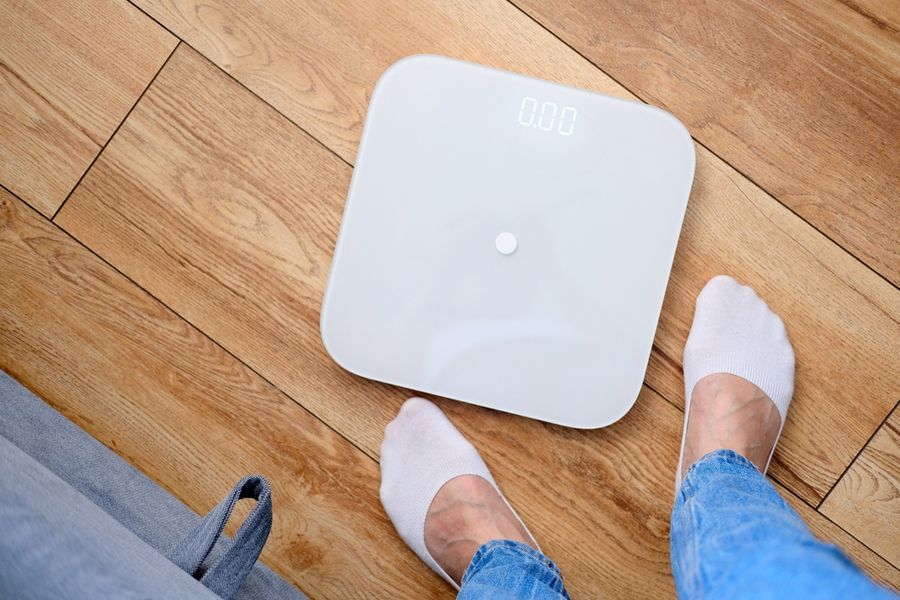
Smart scales have become much more than simple bathroom scales. Modern models connect to apps and can tell you more about your health than just your weight. For people in the United States trying to manage fitness, monitor progress, or stay motivated, additional features can make a real difference. Knowing what extras matter most helps you pick a scale that supports your goals and gives useful insights each time you step on it.
Body Composition Metrics: Beyond Pounds
One of the main reasons people choose a smart scale is to get body composition data. While weight alone shows how heavy you are, it doesn’t tell you how much of that is fat, muscle, or water. Smart scales use sensors to estimate several key numbers:
- Body fat percentage: The proportion of your weight that comes from fat.
- Muscle mass: How much of your weight is lean muscle.
- Body water: An estimate of how much water is in your body.
These metrics give you a clearer picture of your progress when eating healthier or starting an exercise routine. For example, if your weight stays the same but your muscle mass increases and body fat decreases, you are making positive changes even if the scale number does not move much.
Trend Tracking and App Integration
Smart scales usually connect to a mobile app on your phone via Bluetooth or Wi-Fi. These apps do more than just record numbers. They show trends over time, which helps you see long-term progress. Instead of remembering a single weigh-in, you can review graphs that show how your body composition has changed week by week.
App integration often links the scale to other health tools you might be using, such as fitness trackers or diet apps. This creates a fuller health picture by combining data from steps, workouts, sleep, and daily calories. When metrics live in one place, it becomes easier to notice patterns and adjust your habits accordingly.
Multi-User Support for Households
Another valuable feature of many smart scales is multi-user support. In the United States, it’s common for a scale to be used by more than one person at home. Smart scales with this feature can recognize different users based on their unique profiles. When each person steps on the scale, the app automatically assigns the data to the right account.
This makes the scale more practical for families or roommates who all want to track their numbers without mixing up data. Some apps even let users add goals and personalized feedback, so everyone gets insights tailored to their own health journey.
Athlete and Fitness Mode
For people who exercise regularly, a smart scale with athlete mode can be a big help. Standard body composition estimates may not be as accurate for very active individuals because formulas assume average levels of hydration and muscle. Athlete modes adjust the way data is interpreted, which can give more reliable body fat and muscle mass estimates for strength trainers, runners, and other athletes.
Fitness-oriented scales may also work with workout apps or devices you already use. This connection means your activity and body composition data can support each other. Tracking both together helps you see how changes in training affect your body over time.
Goal Setting and Personalized Insights
Smart scale apps often include ways to set goals and get insights. Instead of just showing numbers, many apps let you choose targets like body fat percentage, muscle gain, or weight maintenance. These goals can guide how you use the scale and interpret trends.
Some apps even send notifications or tips based on your data. For example, if your trend shows a plateau, you might get a message suggesting changes in activity or hydration. Personalized insights give context to numbers and help you understand what they mean, which makes tracking more action-oriented.
Compatibility With Health Platforms
In the United States, many smart scales connect directly with popular health platforms like Apple Health or Google Fit. This makes it easier to synchronize data from steps, workouts, sleep, or nutrition with your scale metrics. When your scale data feeds into a central health profile, you can see how activity or sleep affects your body composition.
Cross-platform compatibility also supports personal health records. If you share health data with a clinician or use different apps for specific purposes, a smart scale that integrates widely keeps your numbers connected and organized in one ecosystem.
Accuracy and Calibration Features
Smart scales use bioelectrical impedance analysis (BIA) to estimate body composition. While this method gives useful trends, accuracy can vary based on hydration, time of day, and other factors. Some smart scales include calibration features or guidance on consistent measurement habits to improve reliability.
A scale that encourages weighing at consistent times (like first thing in the morning) helps reduce daily fluctuations that are not meaningful. Good models also explain how to stand and where to place feet so each reading is as accurate as possible. Simple tips included in the app or instructions help you get better data that you can trust.
Smart Features for Smarter Health Tracking
Smart scales offer much more than a weight number. Features like body composition metrics, trend tracking, app integration, and multi-user support help you see the full scope of your health journey. Athlete modes and goal-setting tools add depth for people with specific fitness targets.
Compatibility with major health platforms makes it easy to see how activity, sleep, and body data work together. By choosing a smart scale with these features, you gain insights that support better decisions and meaningful progress toward your health goals.